2026.05.09
The New New Aesthetic
Seeing comes before words. The child looks and recognizes before it can speak.
– John Berger
About fourteen years ago, James Bridle named something that was already everywhere. He called it The New Aesthetic. It was a peculiar visual grammar that emerged when digital systems began surfacing in the physical world. Surveillance cameras with their low-resolution intimacy, pixelated renders of landscapes, and the glitch as unintentional art. It wasn’t really about technology looking bad; it was about technology developing a visual logic of its own, one we were only just beginning to notice.
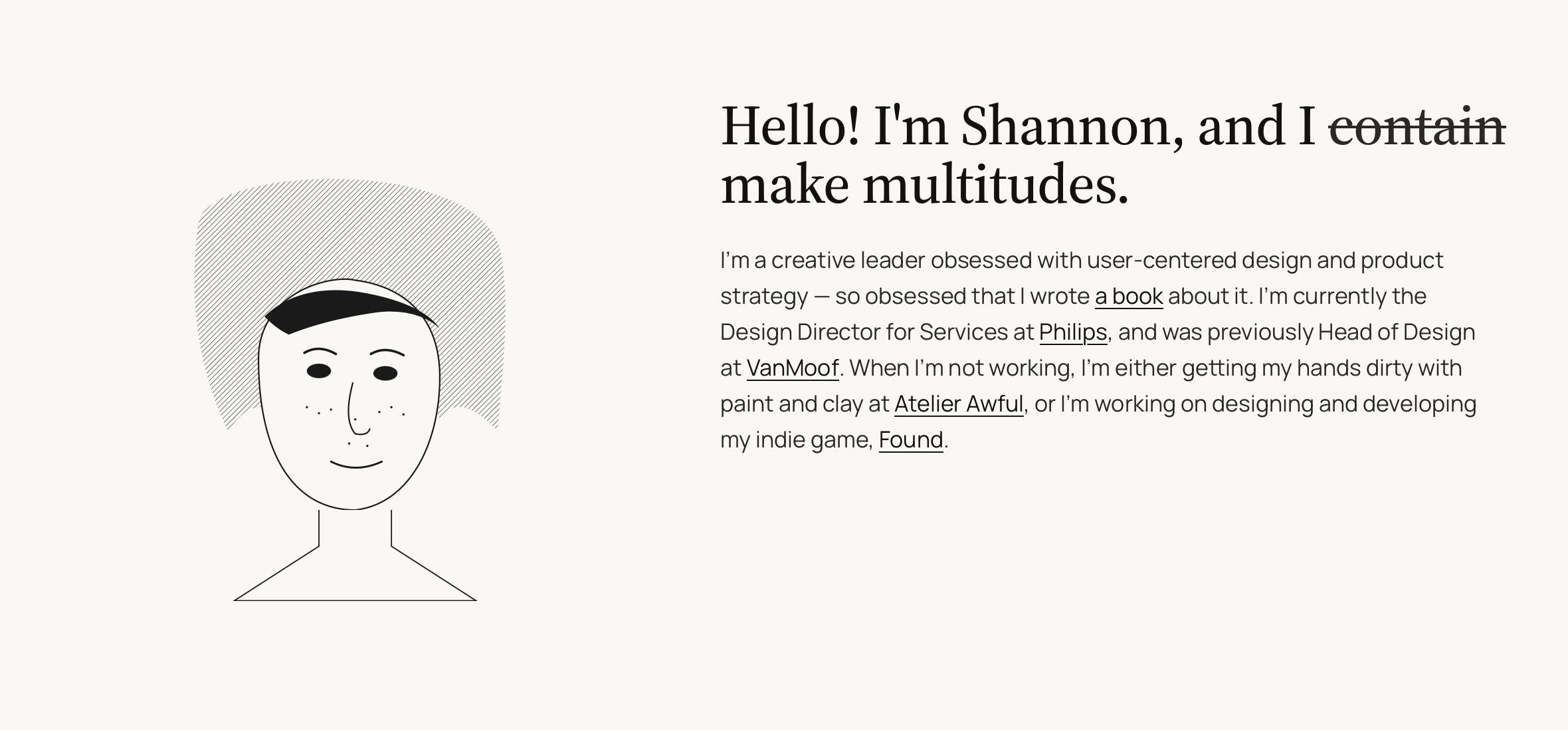
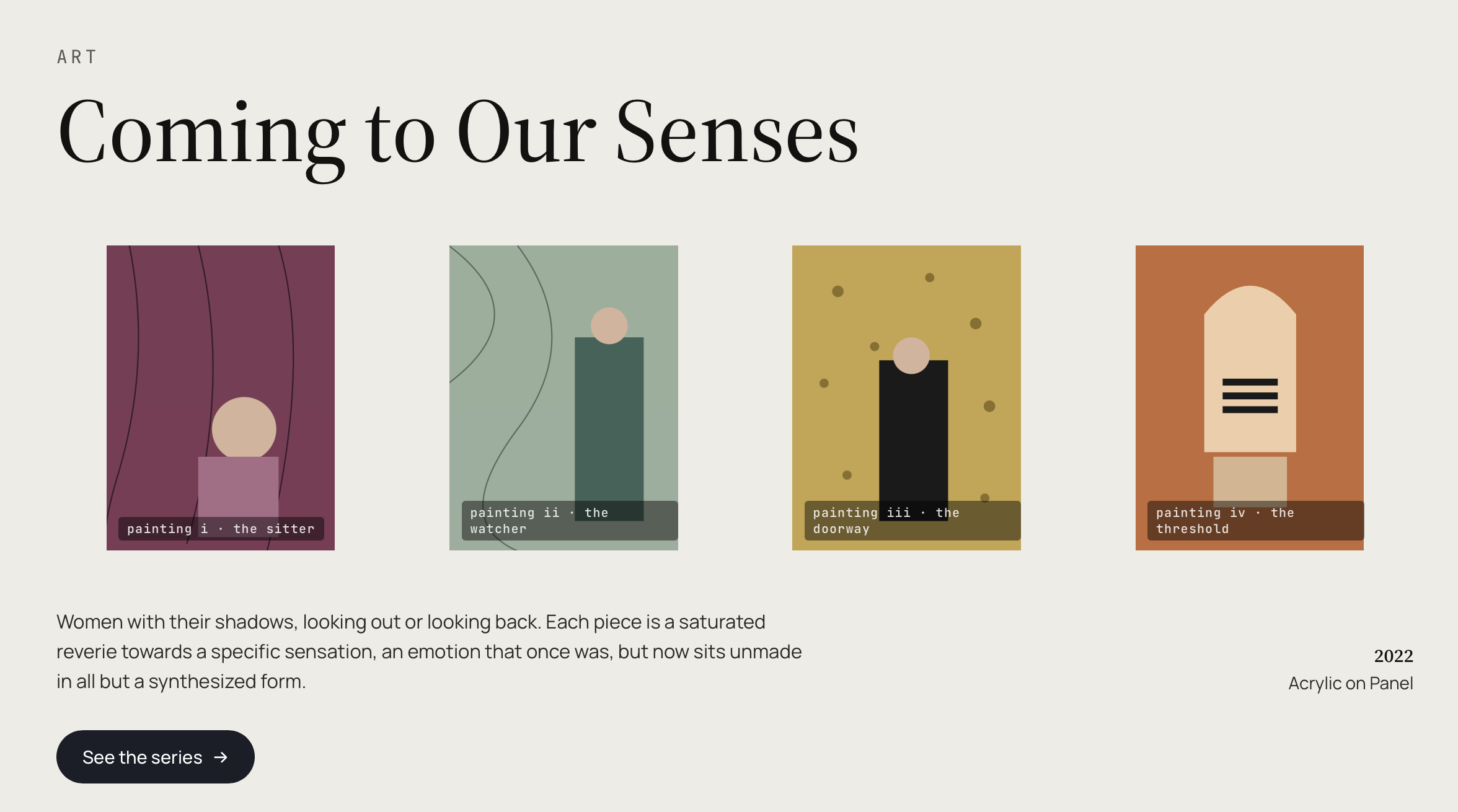
The New Aesthetic came to mind again when I asked Claude Design to create a quick and tweakable prototype of my website, based only on a png file. There was no brief, no guidelines, and no carefully constructed prompt full of goals or principles. Just a single image fed into the system.
What came out was interesting in ways that carefully prompted outputs rarely are.
Most of the conversation around AI and design right now is about optimization. It’s how to write the perfect prompt or how to construct exactly the right context. The underlying assumption is that the value of AI lies in its accuracy – in its ability to faithfully execute a human intention, which makes sense, but it’s not the whole picture.
When you strip away the careful scaffolding, from detailed prompting to chain-of-thought engineering and explicit constraints, there’s the possibility of unexpected interpretation. There’s a visual logic built from pattern recognition and training data and whatever mathematics underlies generative models. It’s not random and it’s not arbitrary and it’s not authentic. But it’s not inauthentic either.
Bridle’s insight was that the New Aesthetic wasn’t designed. It emerged from systems doing what systems do, and it revealed something real about the cultural moment. The pixelated aesthetic wasn’t a choice; it was an artifact of the machine. As we’re increasingly surrounded by AI imagery that feels like what we want systems to do, I wonder what happens when we give them less instead of more.
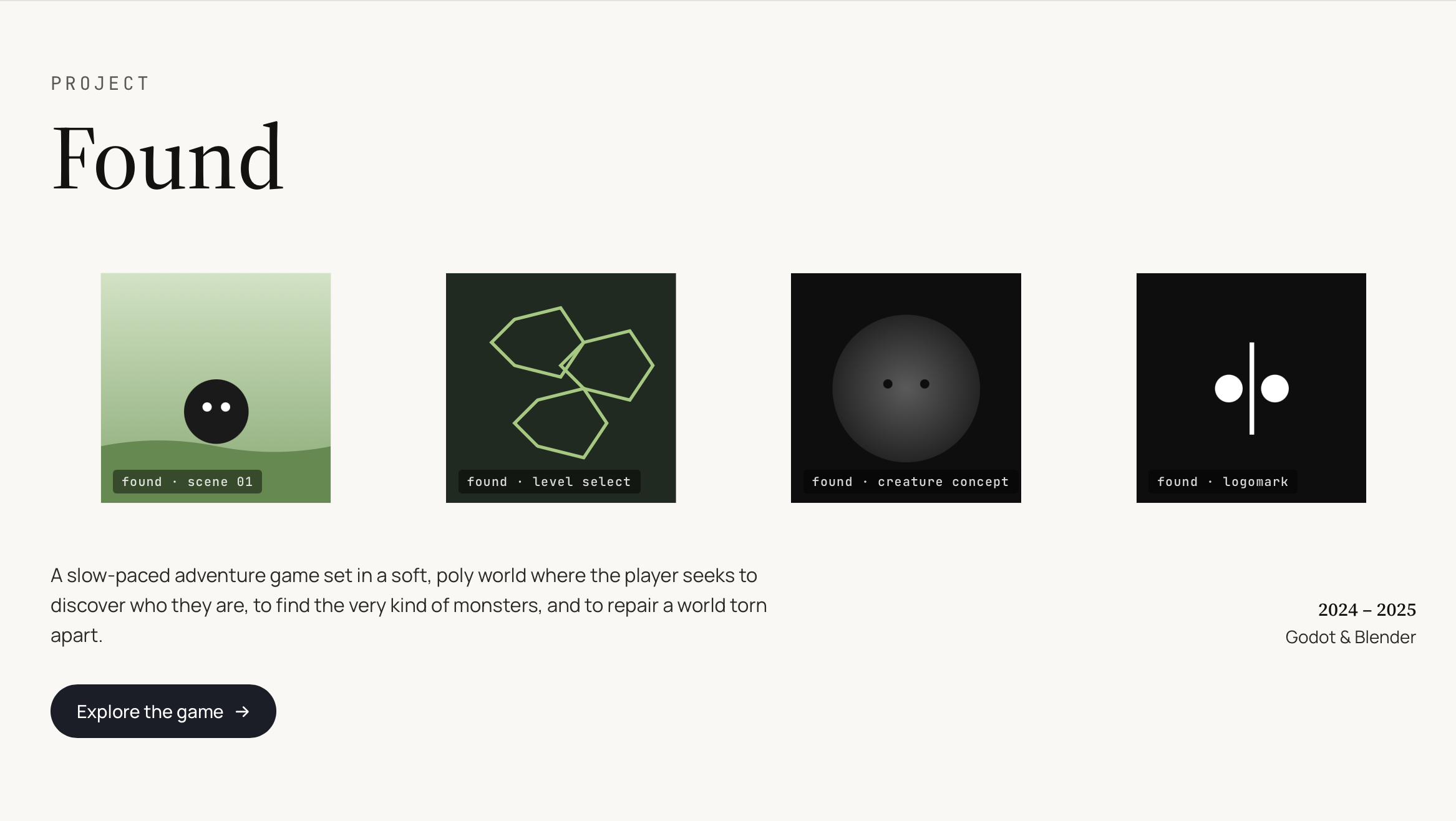
There’s a particular quality to these outputs. They don’t feel human, but they don’t feel random either. They have an internal consistency and a visual vocabulary the system assembled from everything it’s ever processed. If art expresses an artists truth, does this express an average truth? Is there even such a thing as an average truth?
This is a new kind of interpretation. And interpretation, historically, is where aesthetics live.
Bridle’s New Aesthetic was fundamentally about seeing, and noticing that machines had developed their own way of seeing the world. The argument wasn’t that drone surveillance photography was beautiful (though sometimes it was). It was that the visual logic it produced was telling us something about the moment we were in.
John Berger complicates this in a useful way. In Ways of Seeing, he wrote: “We never look at just one thing; we are always looking at the relation between things and ourselves.” In Berger’s terms, seeing is never neutral. It’s always shaped by what the looker brings to the looking, from history and context to the self that’s observing.
Generative systems have learned from the products of human seeing – paintings, photographs, designs, illustrations, and the entire visual record of humans looking at things in relation to themselves. But the relation itself didn’t transfer. The models have absorbed the output of the looking without the actual looking.
And what comes out are averages of things that don’t make sense. When it’s carefully engineered and trying too hard, it’s slop. When we leave space for abundant interpretation, there’s a beauty to the iconography that emerges.
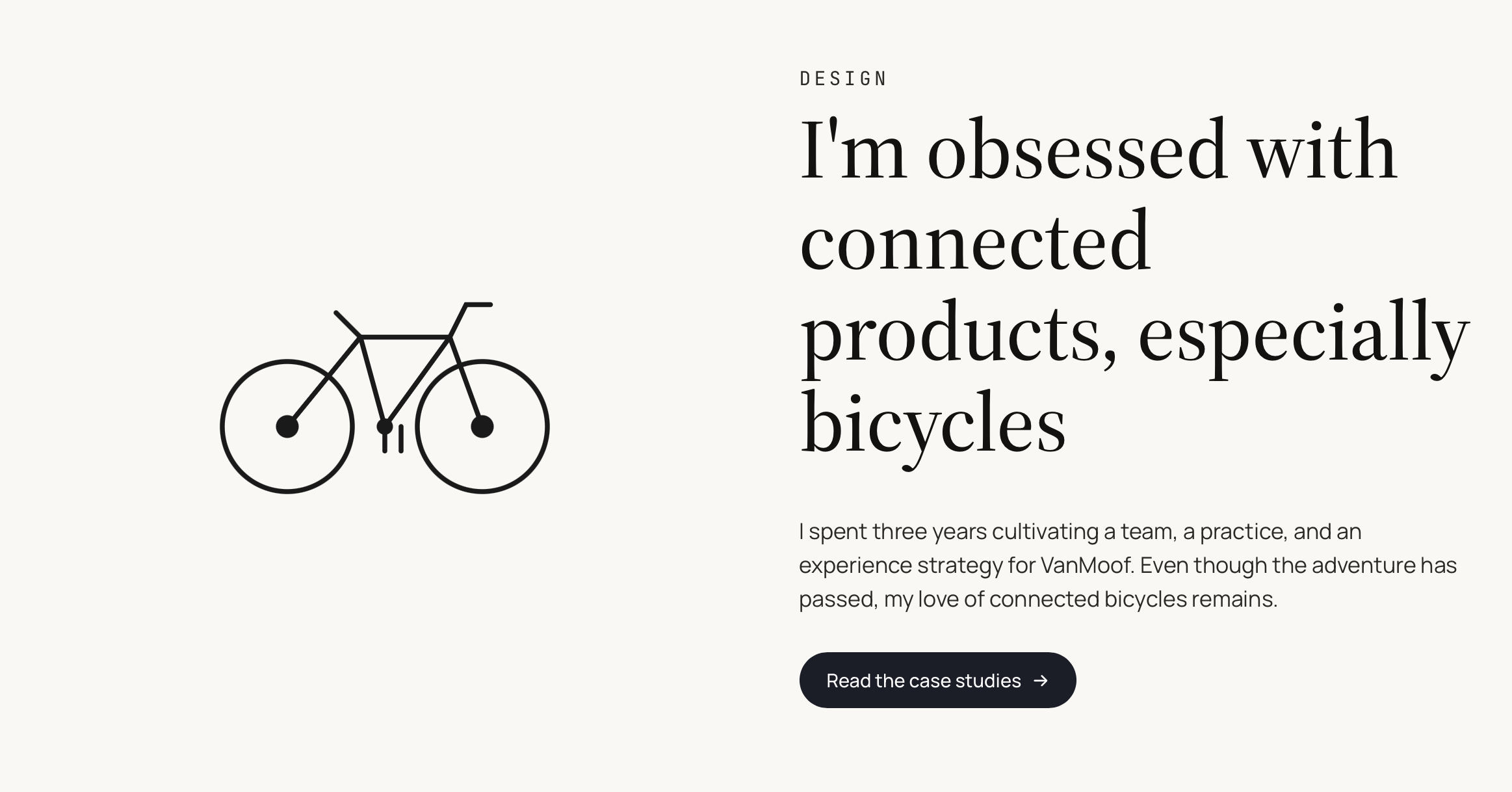
If there’s a New New Aesthetic forming (and if we give it space to form), I believe it’s an aesthetic of interpretation without a self.
This experiment has left me with the feeling that the interesting AI question right now is not: How do I get this to do exactly what I want? but rather, What does it want to do when I don’t tell it?